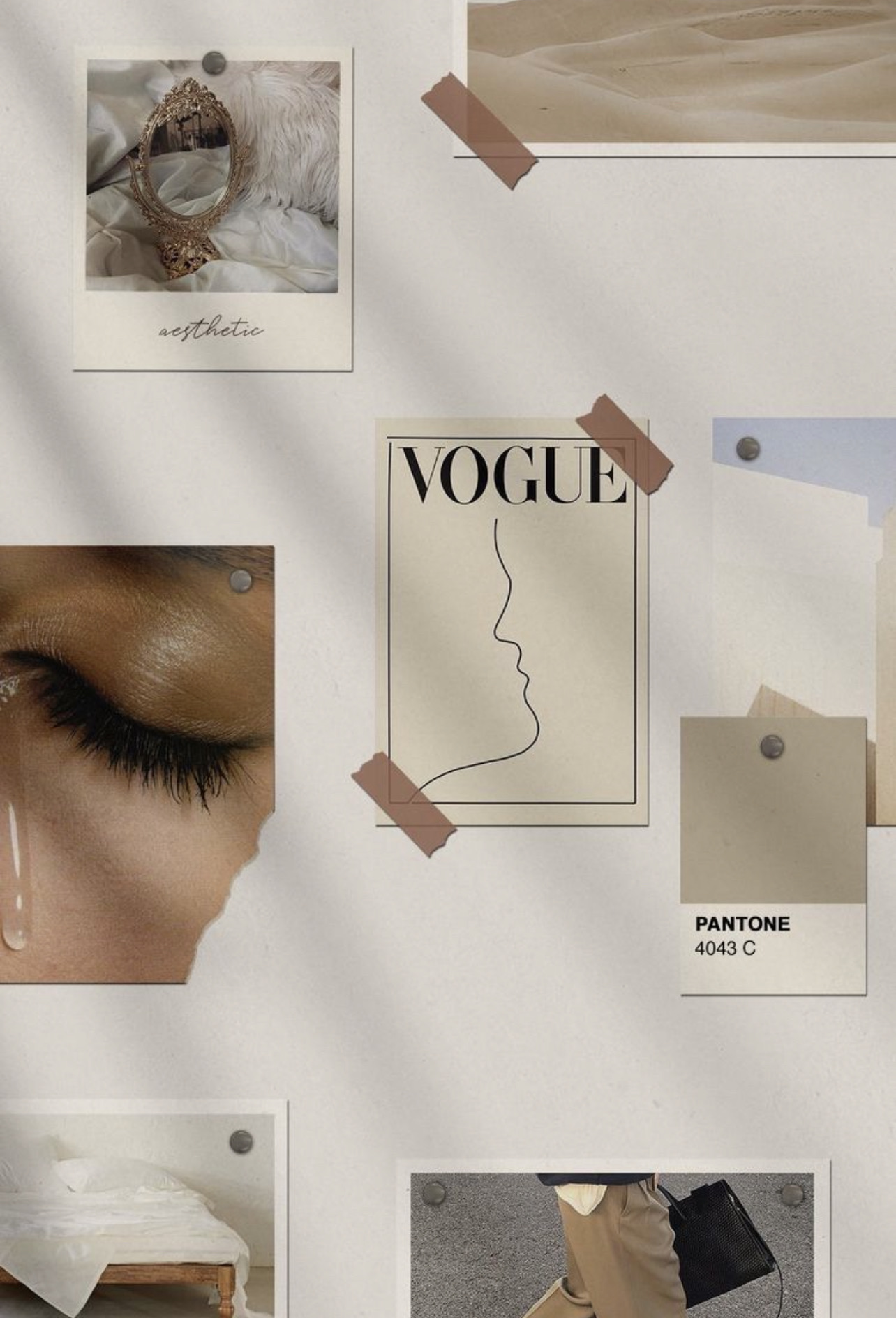
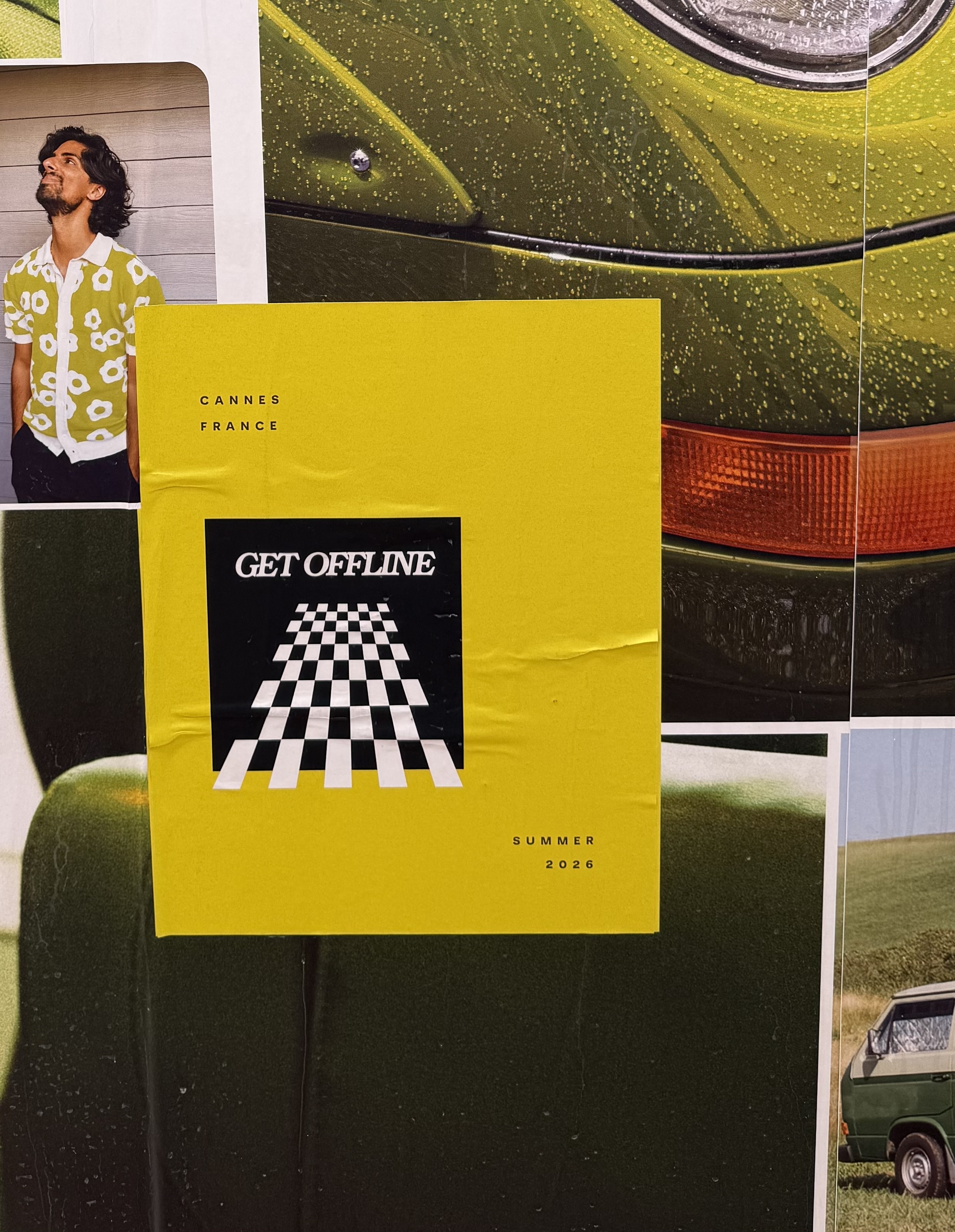


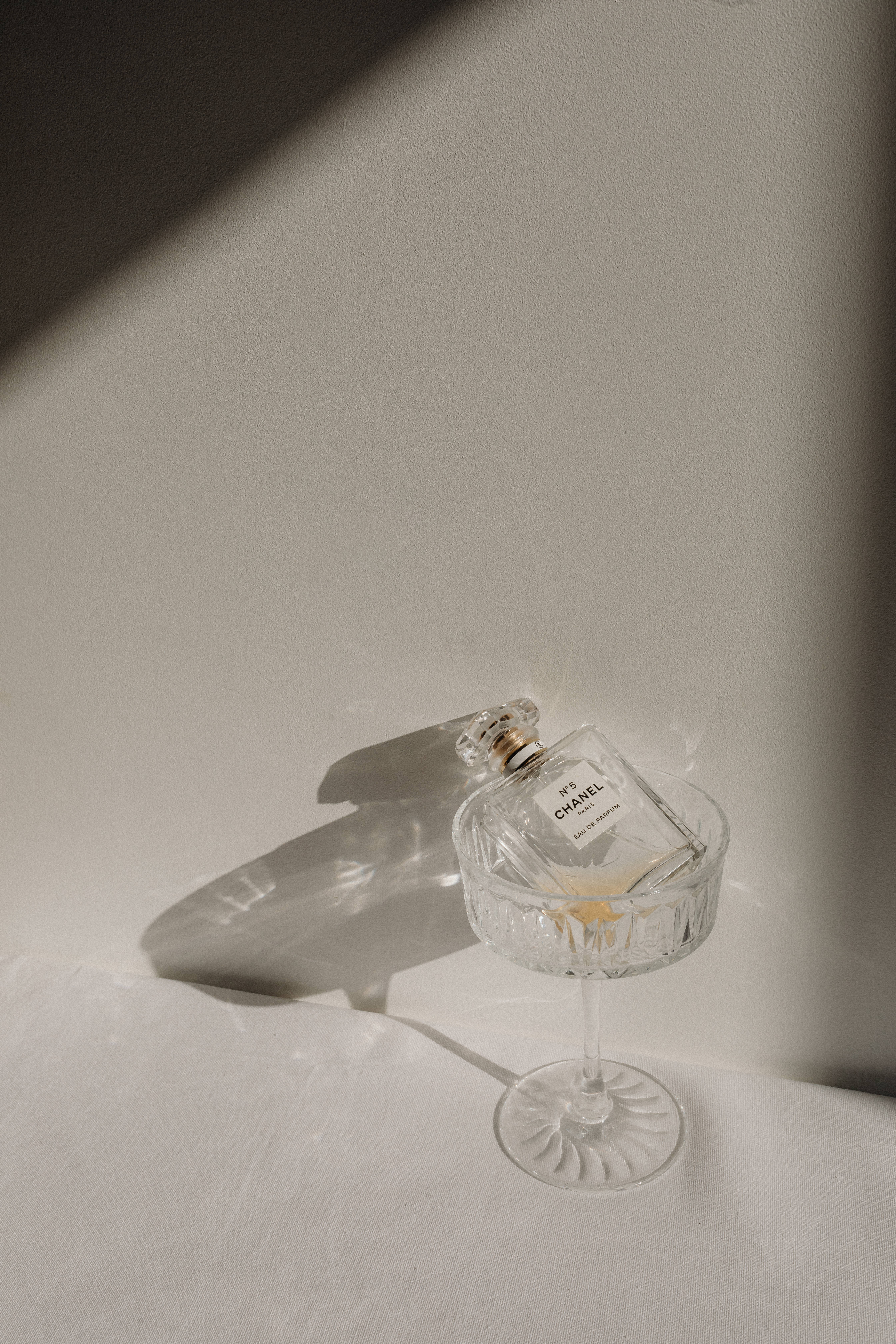

There is a quiet difference between brands that feel expensive and brands that simply look designed.
One speaks loudly. The other doesn’t need to.
Premium perception is not a result of decoration or complexity—it is a carefully constructed emotional system. Built through restraint, rhythm, and psychological precision, luxury branding operates less like marketing and more like editorial storytelling.
It doesn’t ask for attention. It earns it.
Luxury rarely announces itself.
It removes, refines, and reduces until only what is essential remains. In premium branding, subtraction is not minimalism for aesthetic preference—it is a strategic decision.
Every unnecessary element weakens perception. Every silence strengthens it.
The result is not emptiness, but authority.
Brands that feel expensive are often those that refuse to over-explain what they are. They trust the viewer to understand through presence, not repetition.
Space is not absence. It is intention.
In high-end branding, whitespace functions as a psychological cue of control. It signals that a brand is not competing for attention—it already has it.
The more room an element is given, the more importance it carries.
This is why luxury brand design often feels calm, even when visually simple. Nothing is rushed. Nothing is crowded. Everything is allowed to breathe.
Whitespace becomes a form of visual confidence.
Typography is where brand perception becomes audible without sound.
In premium branding, type is rarely loud. It is precise, deliberate, and often restrained in contrast. Letter spacing is generous. Hierarchies are subtle. Nothing shouts.
The effect is emotional rather than informational.
Where mass-market design feels urgent, luxury typography feels composed. Where others try to persuade, it simply states.
In high-end branding, type is not just communication—it is tone of voice made visible.
In digital environments, motion is often treated as decoration. In luxury branding, it is treated as timing.
Premium brands move slowly enough to be felt. Transitions are softened. Pauses are intentional. Nothing interrupts the eye.
This pacing creates emotional weight.
Fast motion feels transactional. Controlled motion feels considered.
A creative direction agency working at a high level understands that timing is part of identity—it shapes how a brand is emotionally experienced, not just visually consumed.
Lower-tier branding often tries to eliminate uncertainty.
Everything is explained. Everything is labeled. Everything is repeated.
But luxury behaves differently.
It allows space for interpretation.
Instead of closing meaning, it opens it. Instead of simplifying everything, it curates what is revealed.
Desire does not live in total clarity. It lives in controlled ambiguity.
Even in digital form, premium branding tries to feel physical.
Subtle grain. Paper-like softness. Film imperfections. Controlled noise.
These details are not aesthetic choices—they are psychological anchors.
Humans associate texture with value. Smoothness with speed. Imperfection with craftsmanship.
When a brand feels tactile, it feels real. When it feels real, it feels expensive.
At the core of luxury branding is not design—it is access.
Premium brands do not attempt to speak to everyone equally. They filter perception through restraint.
What is shown is curated. What is hidden is intentional.
This creates emotional distance—not in a cold sense, but in a desirable one.
Because what feels slightly out of reach always feels more valuable.
Most branding focuses on identity: what a brand is.
Premium branding focuses on something more subtle: what a brand feels like to want.
Desire is not built through information. It is built through atmosphere.
Through pacing. Through silence. Through suggestion.
In this sense, luxury brand design behaves less like advertising and more like cinema—where meaning is not explained, but experienced.
Premium brands are not louder. They are more intentional.
They do not rely on excess to communicate value. They rely on precision, restraint, and emotional control.
In a world full of constant visual noise, the most powerful brands are not the ones that demand attention.
They are the ones that know exactly when to stop.