

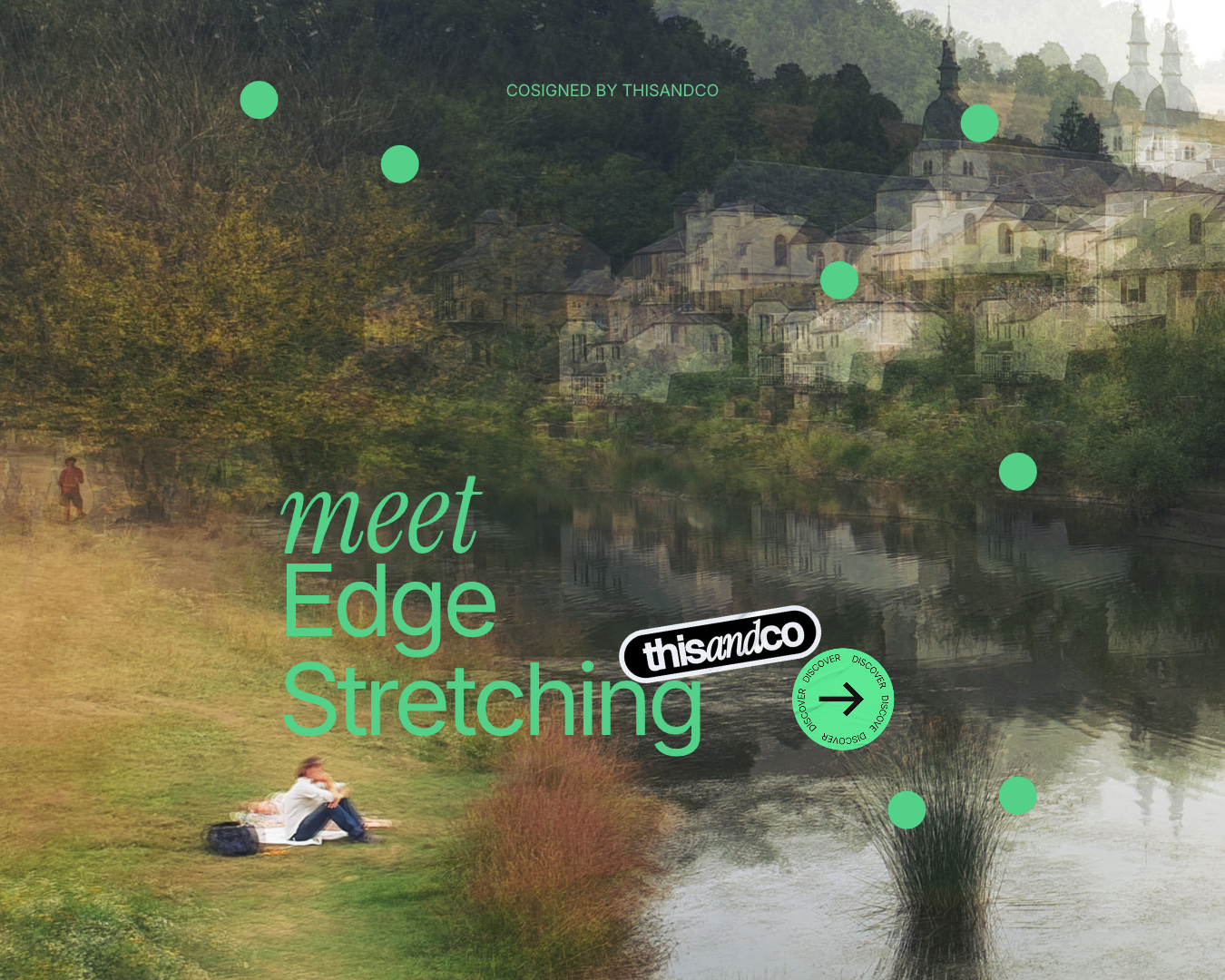
To me, “edge stretching” means going beyond your comfort zone, challenging assumptions and limits, and being open to exploring new things. The term came about when I decided to put my work together on a website. I needed a name for it, but for some reason I didn't feel comfortable using my own. I wanted somewhere to collect my work, but I wasn't quite ready to put myself out there.
Around that time, I heard Alanis Morissette's song Citizen of the Planet on the radio. Towards the end there's a line, "My favorite pastime edge stretching", which struck me. That's where the name came from, and it eventually became my pseudonym.

I don't really see a clear boundary between photography and digital art. Photography today is largely digital, and any intervention on a photograph is already a form of digital manipulation. What interests me is the freedom to explore different ways of seeing and expressing things, without feeling that I have to stay within the conventions of photography.
It rarely starts with an image. Usually there's a thought, a concept or an emotion I want to express. From there, I start thinking about how to convey it visually, what kind of image or technique would work best. Most of the times, the visual part comes after the idea, rather than the other way around.
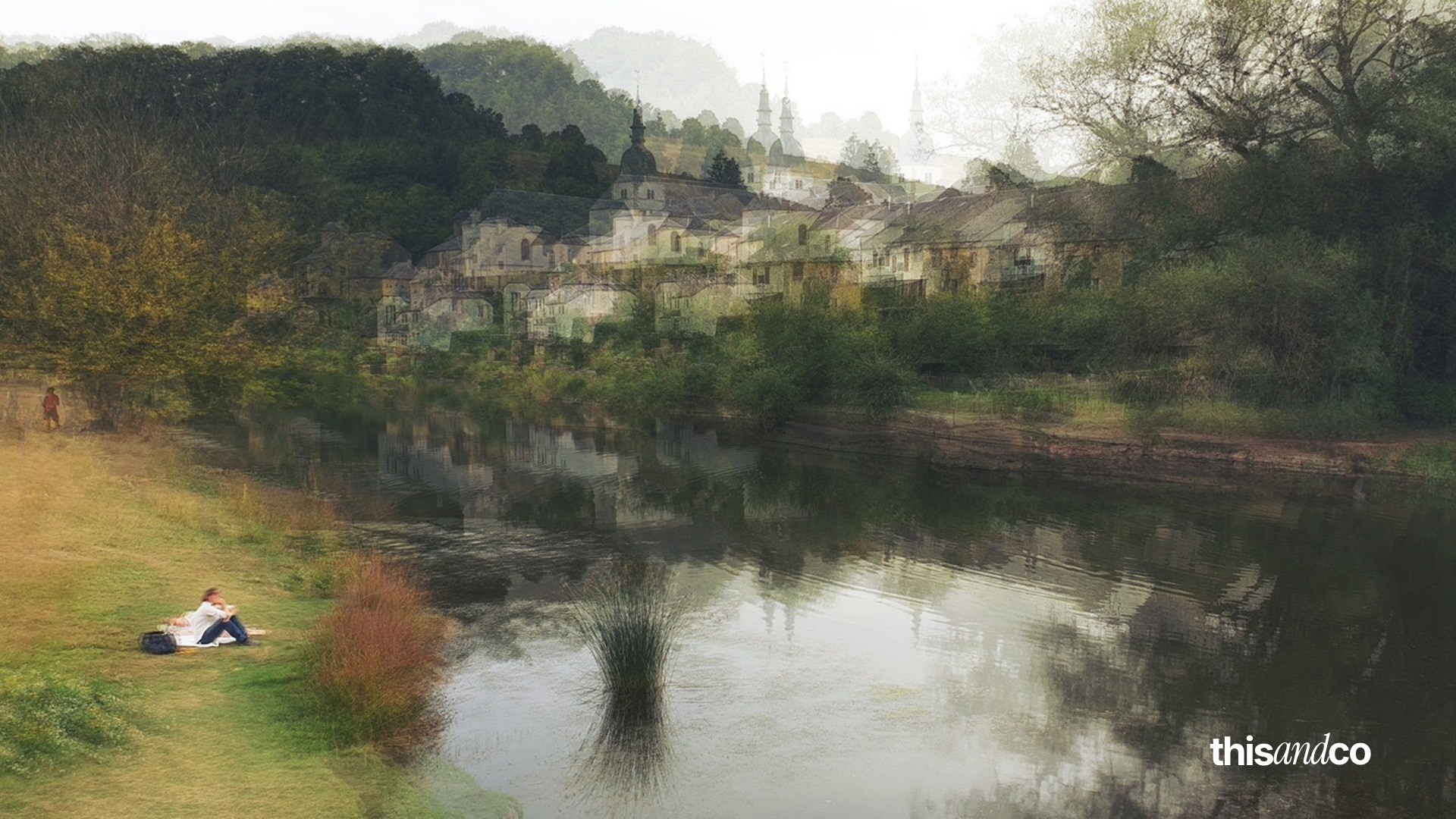
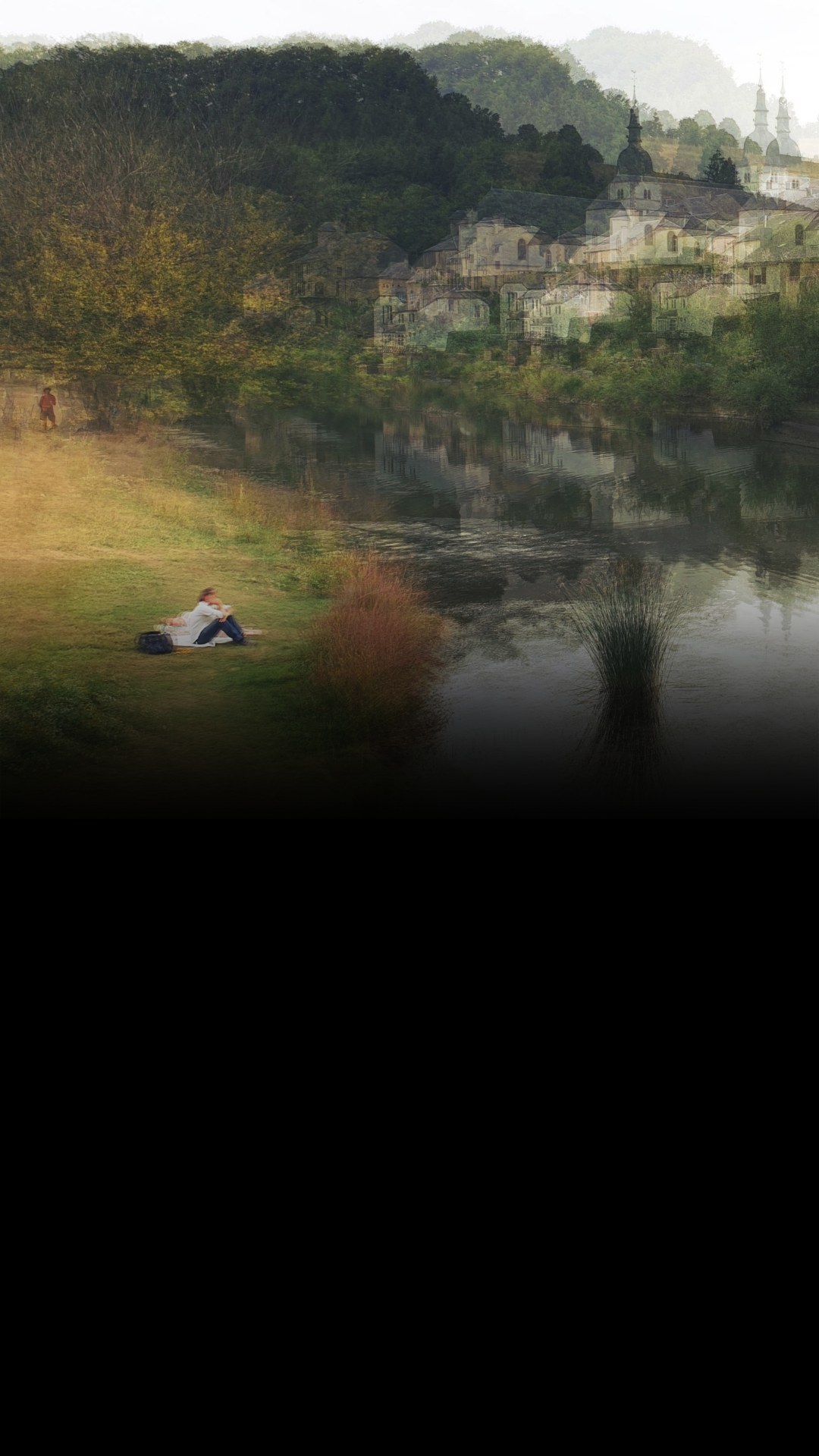
A very big role, although not always in the same way. Movement has been part of my work for a long time, but I'm also interested in time on a broader scale. I've been exploring the relationship between past and present for quite a while, particularly how they can coexist and influence the way we see things today.
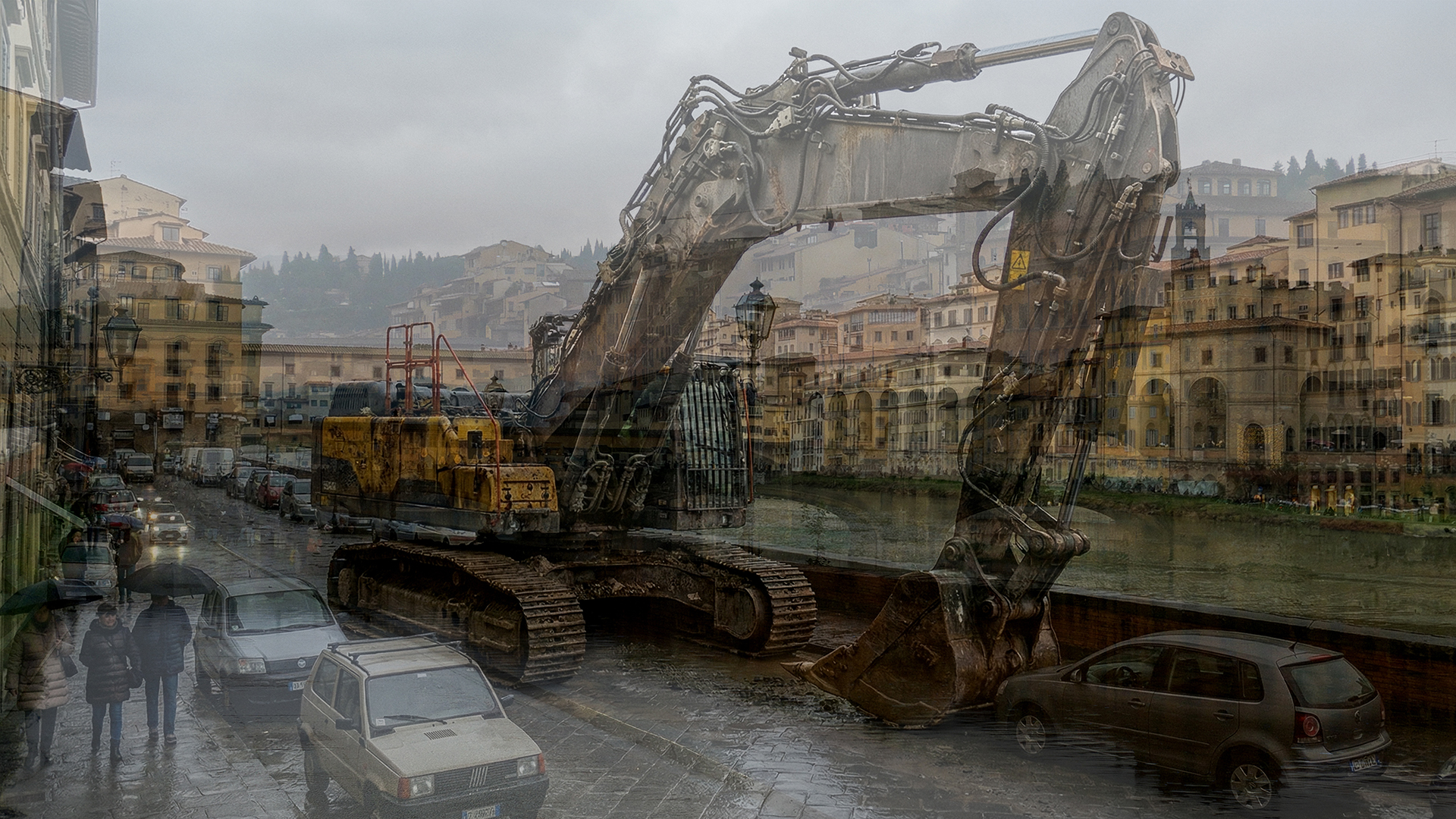
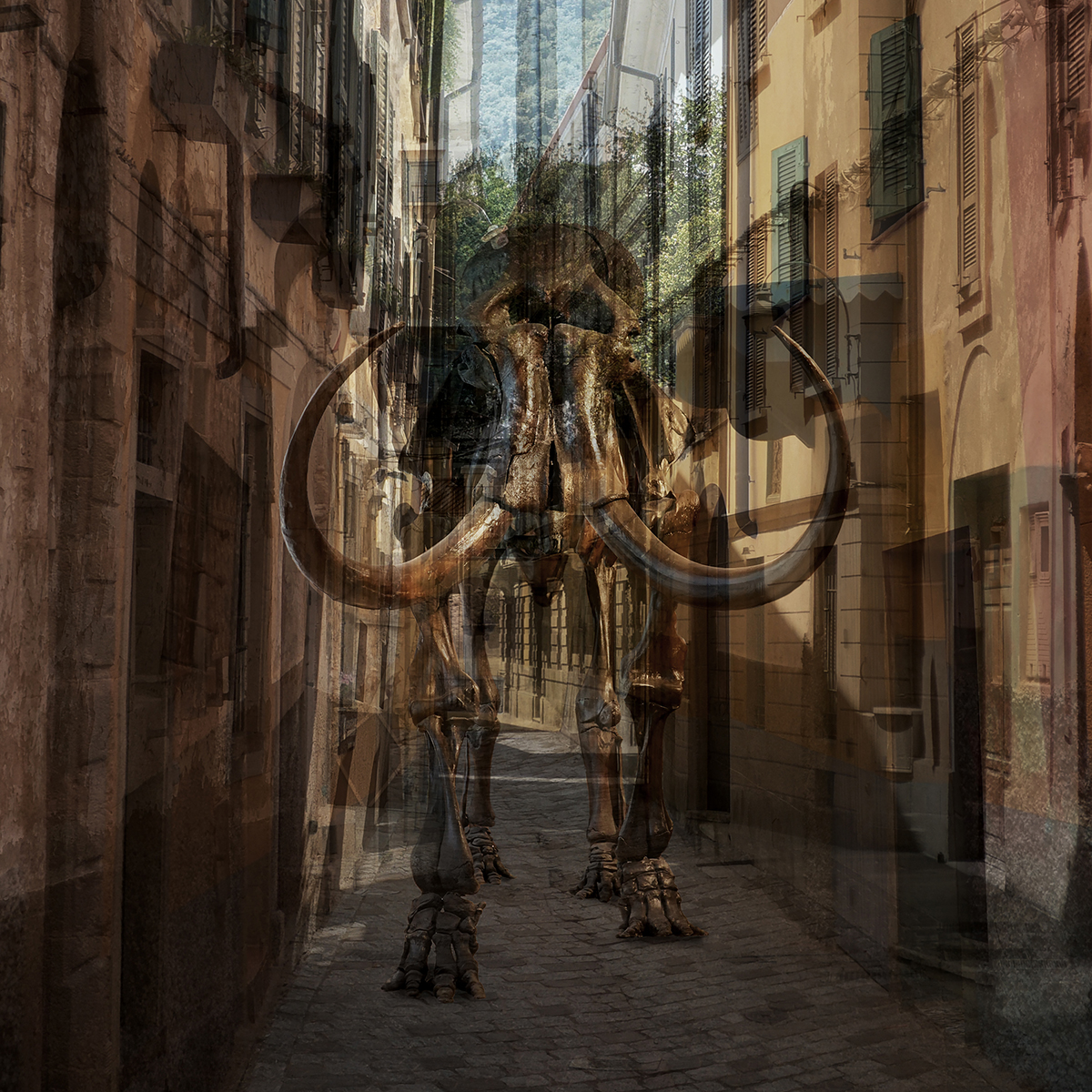
Coming from animation and video, I'm used to thinking in terms of sequences and things happening over time, rather than isolated moments. I think that has had a strong influence on the way I approach still images. My multilayered technique is probably the clearest example. It comes directly from that background, from wanting to bring movement and a sense of duration into photography.
I was looking at the direction humanity seemed to be taking, and I didn't particularly like what I saw. That was really the starting point for Extinct. I wanted to express that feeling, but with a sense of humour rather than taking an overly serious approach. Humour can be a good way of addressing something that actually worries you, and I think it leaves more room for people to engage with the subject in their own way.
I wouldn't say it has changed my relationship with art. Blockchain is a technology, a method, and it doesn't change what art means to me or why I make it. What it has changed, quite significantly, is my relationship with my own work and the possibilities I see for it. It has made me reconsider what can happen to a work once it's finished, and the different ways it can exist and circulate. But my relationship with art itself hasn't really changed.
Quite a lot changes, particularly in terms of how you can communicate with the audience. In a gallery, you sometimes have the opportunity to build a narrative through several works and the way they're presented together. With public screens, that generally isn't possible. Each image has to convey what it needs to on its own. There's also an interesting difference in the audience. In a gallery, you usually reach fewer people, but they're more likely to give the work their attention. On a public screen, the audience can be much larger, but the attention each image receives is considerably shorter. It's a different kind of encounter.
I always hope people will pick up on the thought behind the image, the idea that came before the visual form. I'm not always sure that happens, though. And of course, everyone brings their own experiences and background to the way they interpret an image. So even when I have a particular thought in mind, what someone else sees might be quite different.
Lately, I've been exploring how AI can enter different parts of my practice. It's already become a useful sounding board for things like communication, marketing strategy, social media and working on texts. I use it quite a lot to bounce ideas around and think through different approaches. On the creative side, I've started exploring its possibilities more directly with De-Construction, a series that places large construction machinery in urban environments. It's an interesting way of creating images that I wouldn't have been able to produce myself using my camera. There's also another project I've had in mind for some time. It's one of those ideas I had to put aside because I didn't have the means to produce it physically. AI might now offer a way to approach it, although I haven't started working on it yet. There are other things I want to finish first, and I think the idea needs a little more time to develop.